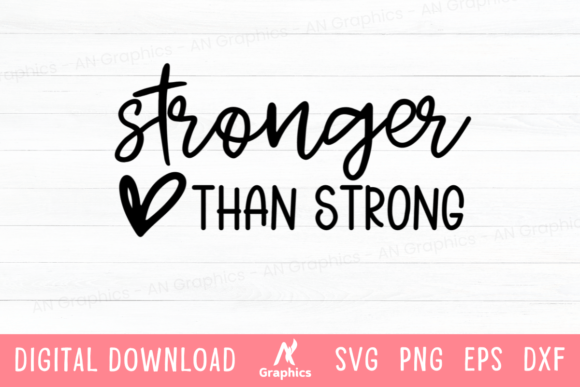
Stronger Than Strong SVG
As a designer and embroidery product reviewer, I often find myself evaluating new SVGs with a critical eye. Stronger Than Strong SVG caught my attention not just for its bold name, but for how it translates into real-world embroidery projects. This design has a clear visual personality that leans into strength and resilience—perfect for those who want to make a statement with their handmade products or custom apparel.
The First Impression
Stronger Than Strong SVG immediately conveys a sense of power and determination. The layout is clean, with strong lines and a confident structure. It’s not overly complex, which makes it versatile across different fabric types and project sizes. The theme is straightforward—emphasizing strength in a way that feels authentic rather than forced. This design would naturally fit into projects that aim to inspire, empower, or celebrate personal growth.
It’s ideal for t-shirt designs, but also works well on tote bags, sweatshirts, and even baby items where a subtle yet meaningful message is desired. The detail level is high enough to be visually engaging without being overwhelming, making it a great choice for both beginners and experienced embroiderers.
Real-Life Embroidery Performance
Testing Stronger Than Strong SVG on various fabrics showed that it performs best on medium-weight materials like cotton, denim, and twill. On lighter fabrics, the design can appear slightly faint unless the stitch density is adjusted. For thicker materials, the design holds up well, maintaining its sharpness and clarity.
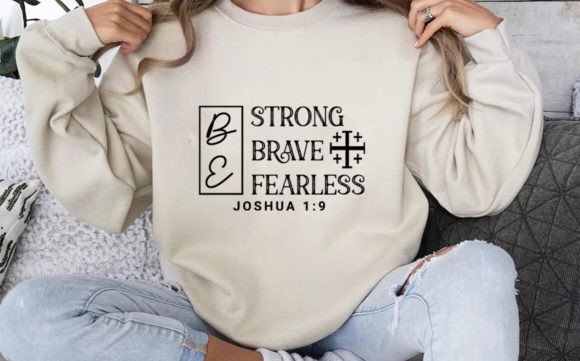
When used on custom apparel, such as a sweatshirt or t-shirt, the design looks professional and polished. It’s especially effective when paired with contrasting thread colors, which help the design stand out. For example, using black thread on a white shirt creates a striking contrast, while a darker thread on a light-colored fabric adds depth and dimension.
This SVG is also suitable for embroidered patches, aprons, and caps. The design’s simplicity allows it to adapt to curved surfaces without distortion, though care must be taken with smaller hoop sizes. If you're working on a cap, you may need to split the design into sections to ensure proper placement and stitching accuracy.
Where to Use With Caution
While Stronger Than Strong SVG is versatile, there are a few areas where caution is advised. On textured fabrics, the design might not show as clearly, especially if the fabric has a heavy weave. Thin or stretchy fabrics could cause the stitches to pull or pucker, so using the right stabilizer is crucial.
Dense stitch areas can cause the design to look too busy, so adjusting the stitch density may be necessary depending on the fabric and project type. Tiny lettering or intricate details might not hold up well on dark fabrics, so testing in black and white mockups is recommended before final production.
For commercial embroidery projects, it’s important to confirm the licensing terms before selling finished products or digital files. While the design is likely suitable for most craft businesses, always verify the usage rights to avoid any legal issues down the line.
Impact on Visual Appeal and Customer Trust
Stronger Than Strong SVG adds value to any handmade product or personalized gift. Its bold, clear design helps establish brand consistency, especially for small shop products or boutique merchandise. Customers are more likely to trust and engage with a design that looks professional and well-crafted.
When used on holiday gifts or wedding gifts, this SVG can serve as a meaningful touch that resonates with the recipient. It also enhances the giftability of a product, making it a popular choice for Etsy sellers and craft fair vendors looking to stand out in a competitive market.
From an embroidery perspective, the design maintains its integrity across different mediums. Whether it's a printable mockup, a digital embroidery file, or a physical finished product, Stronger Than Strong SVG delivers consistent results when properly executed.
Practical Designer Notes
Before committing to a project, I always recommend testing the design on scrap fabric. This helps identify any potential issues with stitch density, thread color contrast, or stabilizer use. For example, if you’re planning to use this on a baby item, ensuring the design is safe and comfortable is essential.
Check whether the design works on both light and dark fabric backgrounds. Some elements may not show up as well on certain colors, so testing in different scenarios is key. Also, consider the intended use of the product—whether it’s for a personal project, a small business, or a commercial application.
Finally, review the file format and machine compatibility if available. While the specifics aren’t provided here, it’s always wise to confirm these details before starting a large-scale embroidery project. Proper preparation ensures that your finished product meets your expectations and those of your customers.