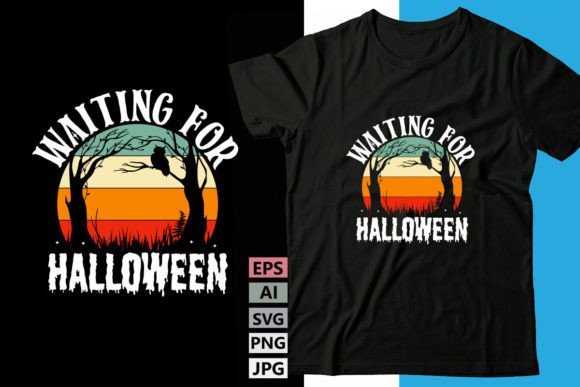
Waiting for Halloween
As an embroidery designer and product reviewer, I always start by evaluating a machine embroidery design through the lens of real-world use. Waiting for Halloween is a freebie that promises a spooky yet whimsical aesthetic, but how does it hold up in actual projects? Let’s break it down.
The First Impression
Waiting for Halloween immediately sets a playful, autumnal tone. The design features a simple yet recognizable image—likely a ghost or jack-o'-lantern—wrapped in a soft, slightly stylized layout. The mood is cozy, nostalgic, and perfect for holiday-themed items. It feels like something you’d see on a handmade ornament or a personalized tote bag for a seasonal event.
The shape is well-proportioned, with enough detail to be visually engaging without being overly complex. It has a clean visual personality that works across various fabrics and project types. This makes it a versatile choice for small business owners looking to add a touch of seasonal charm to their offerings.
Real-Life Embroidery Scenarios
When considering where to place Waiting for Halloween, it naturally fits into custom apparel, such as sweatshirts, t-shirts, and tote bags. It also works well on baby clothes, aprons, and pillow covers. The design’s simplicity allows it to stand out without overwhelming the fabric or the overall look of the finished product.
For a small shop product, like a holiday gift or a boutique item, Waiting for Halloween can serve as a key visual element. It’s ideal for personalized gifts, such as embroidered patches or kitchen towels, where the design needs to be both eye-catching and easy to recognize.
As a digital embroidery file, it could be part of a printable mockup or a design asset for an Etsy seller. Its freebie status makes it accessible for crafters who want to experiment without a financial commitment.
Where to Use With Caution
While Waiting for Halloween is generally user-friendly, there are situations where it may not perform as expected. On small hoop sizes, the design might feel cramped, making it harder to stitch accurately. Textured fabrics, thin materials, or stretchy garments could cause the stitches to distort or lose definition.
On dark fabrics, the thread color contrast becomes critical. If the design uses light-colored threads, it may not show up well against a black or deep-colored background. Similarly, detailed corners or tiny lettering could become less clear if the stitch density is too low or if the stabilizer isn’t properly applied.
For layered garments or curved surfaces like caps, the design might require additional adjustments to ensure even stitching. Dense stitch areas can cause puckering or fabric distortion, so it’s important to test the design on scrap fabric before committing to a final project.
Visual Appeal and Practical Value
Waiting for Halloween adds visual appeal without complicating the embroidery process. Its clean lines and balanced composition make it suitable for both handmade products and commercial embroidery projects. When used correctly, it enhances the overall look of the finished product, contributing to a sense of professionalism and care.
From a customer perspective, designs that are easy to recognize and visually appealing tend to drive engagement. A well-executed Waiting for Halloween on a custom tote or sweatshirt can increase the perceived value of the item, making it more attractive to buyers looking for unique, handcrafted pieces.
For brand consistency, this design can be a useful addition to a seasonal collection. It aligns with the theme of Halloween while maintaining a level of sophistication that works across different product types. Whether used for a personal project or a small business offering, it helps reinforce a cohesive brand identity.
Embroidery Designer Notes
Before using Waiting for Halloween in any project, it’s wise to test it on scrap fabric. This helps identify any issues with stitch density, thread color contrast, or fabric compatibility. Checking the design in black and white mockups can also reveal how it will look on different backgrounds.
For commercial projects, confirm that the design is licensed for use in finished products or digital files. Even though it’s a freebie, some restrictions may apply. Always review the terms carefully to avoid legal issues.
When working with delicate or stretchy fabrics, use the right stabilizer to prevent puckering or distortion. For intricate details, consider adjusting the stitch density to ensure clarity without overworking the fabric. These small steps can make a big difference in the final outcome.
Whether you're an Etsy seller, a craft business owner, or a hobbyist, Waiting for Halloween offers a practical and stylish option for your next embroidery project. With proper preparation and attention to detail, it can elevate your handmade products and help you create something truly special.